How to care for tinted windows
Window film lasts 10 to 15 years or more with proper care. Most early failures come from using the wrong cleaning products or cleaning too soon after installation. A few simple habits protect your investment for the long term.
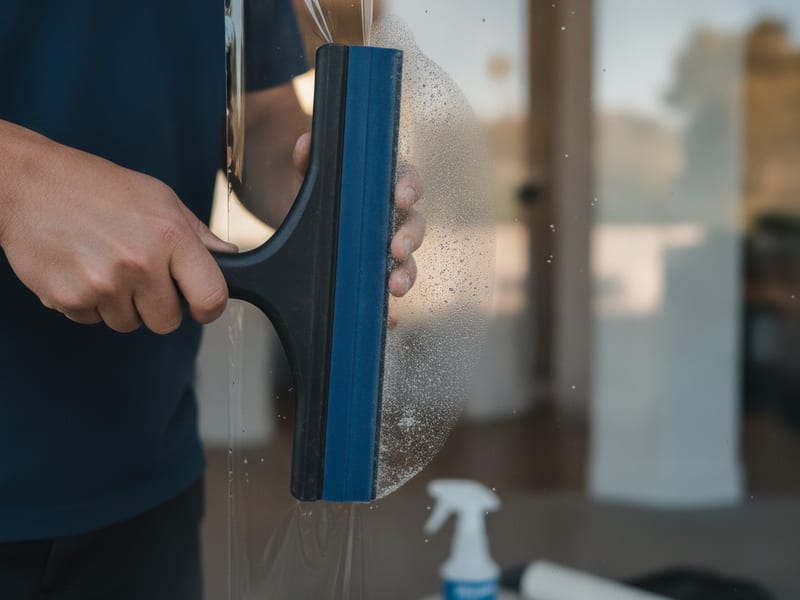
What you'll learn
- How long to wait before cleaning newly installed window film
- Which cleaning products and tools damage film and which ones are safe
- What normal curing looks like versus actual film defects
- How to identify film failure early and what your warranty covers
Step by step
- Wait the full cure period before cleaning New window film is held by a water-activated adhesive that needs time to fully bond to the glass. Most installers recommend waiting 30 days before cleaning the interior surface of newly tinted windows. During curing, you may see small water bubbles or a slight hazy appearance. This is normal and will resolve on its own. Do not try to push out bubbles or clean them away. If bubbles persist past 30 days, contact your installer.
- Use ammonia-free cleaning products only Ammonia breaks down window film adhesive and causes premature peeling. Standard glass cleaners like Windex contain ammonia and should never be used on tinted windows. Safe alternatives include dish soap diluted in water, isopropyl alcohol diluted to 30% or less, or cleaning products specifically labeled ammonia-free. Many spray glass cleaners labeled for tinted windows are ammonia-free and work well on both auto and residential film.
- Choose soft cloths or microfiber, never abrasive pads Window film scratches more easily than bare glass. Steel wool, scrub pads, and stiff paper towels all leave micro-scratches that accumulate over time and make the film look hazy. Use soft microfiber cloths or clean cotton cloths. Spray the cleaner onto the cloth rather than directly onto the glass, and wipe with light pressure in straight strokes rather than circular motions.
- Know the difference between curing haze and film damage During the first 30 days, slight haziness and small water pockets are part of the normal cure process. After 30 days, small bubbles indicate a spot where the adhesive did not bond properly, either from contamination on the glass during install or a manufacturing defect. Purple or brownish discoloration is a sign of dye breakdown in non-ceramic film. Peeling at the edges indicates either edge damage or adhesive failure. All three post-cure issues should be reported to your installer under warranty.
- Protect auto film from car washes with stiff brushes Automatic car washes with spinning brush systems can scratch automotive window film. Touchless car washes and hand washing are safer. When hand washing, keep the window film areas wet and use the same soft-cloth technique you would use on the interior. At drive-through washes, opt for touchless whenever possible and inspect your film edges after the first few washes to confirm there is no edge lifting.
Keep your installation receipt and warranty paperwork somewhere you can find it. Most film warranties are tied to the original installer and require proof of installation to file a claim.
Rather have a pro handle it?
We match you with vetted, insured window-film installers across San Diego County. A real person picks up.
Keep learning.
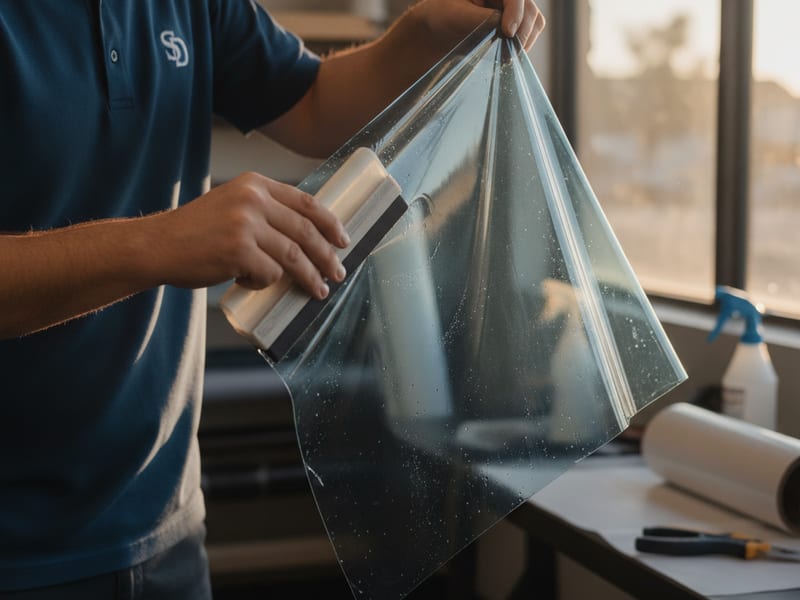
Ceramic vs dyed window film: how to choose
Ceramic and dyed window films look similar on the shelf but perform very differently in San Diego sun. Knowing the difference before you buy saves you from paying for more film than you need or choosing one that fades within a few years.
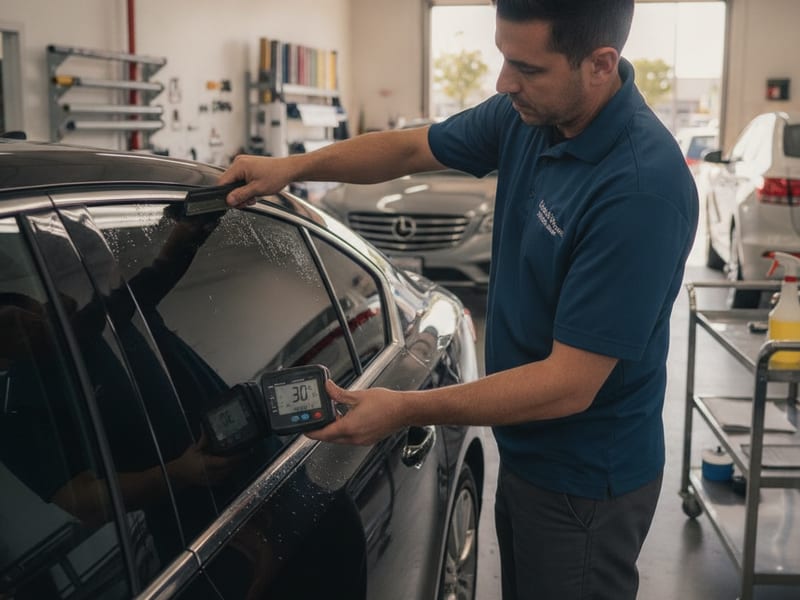
California auto tint law: legal VLT by window
California sets different legal VLT limits for each window position on a car. Getting the wrong shade on the wrong window can result in a fix-it ticket. Here is what the law actually requires so you can verify your installer is quoting within legal limits.
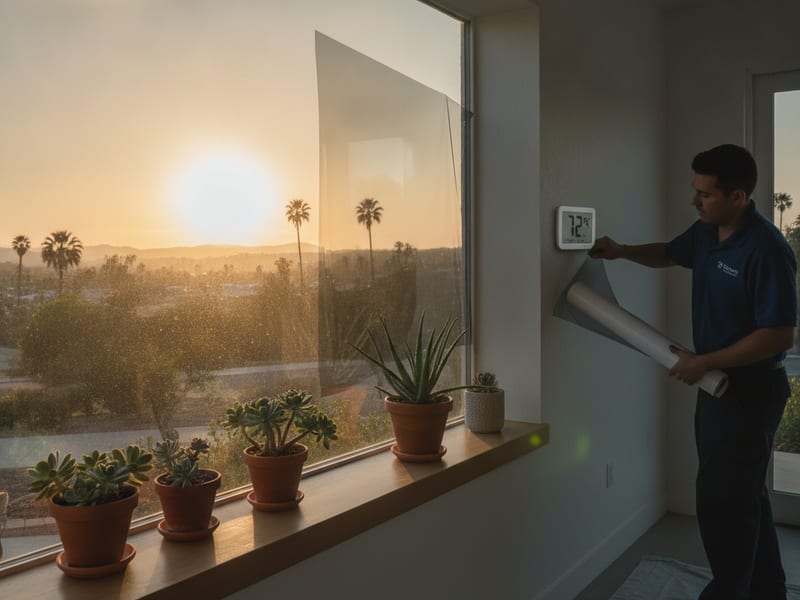
Choosing heat-rejection film for your home
San Diego's sun angle and year-round mild temperatures mean residential heat gain is a real comfort and energy cost problem, not just a summer issue. Picking the right heat-rejection film for your specific window orientation saves money and avoids buyer's remorse.